Over four months, the shares of the 50 largest neural network companies plunged by as much as 40%. Before that, investors were buying up everything in sight — на ИИ-сектор приходились рекордные 57% всего биржевого оборота. В итоге толпа непрофессиональных инвесторов привела к sharp correction, while companies preparing for IPOs have been forced to lower their financial expectations.
Scale of the crash: STAR50 went into a nosedive, while CSI 300 entered a bear market
China's artificial intelligence and semiconductor market is undergoing a sharp asset revaluation. The index STAR50, which brings together 50 leading technology companies listed on the Shanghai Stock Exchange, plunged in less than four months by 40%, shedding about $480 billion in market capitalization.
The decline also affected the broader market: the blue-chip index CSI 300 опустился более чем на 20% относительно июньских пиков, официально перейдя в фазу «медвежьего» рынка. Для сравнения, американский индекс Nasdaq 100 за тот же период просел лишь на 6% от своего исторического максимума.
At the peak of the rally in June 2026, the STAR50 index's P/E (price-to-earnings) ratio approached an unusually high 250. By the end of October, it had fallen to 100. However, even after such a steep decline, stocks remain expensive: the U.S. Nasdaq 100 has a P/E ratio of around 30, raising investor concerns about a potential second wave of sell-offs.
The main casualties of the crash: robotics, chipmakers, and optics
The hardest hit were retail investor favorites—companies whose shares had soared severalfold after their stock market debuts:
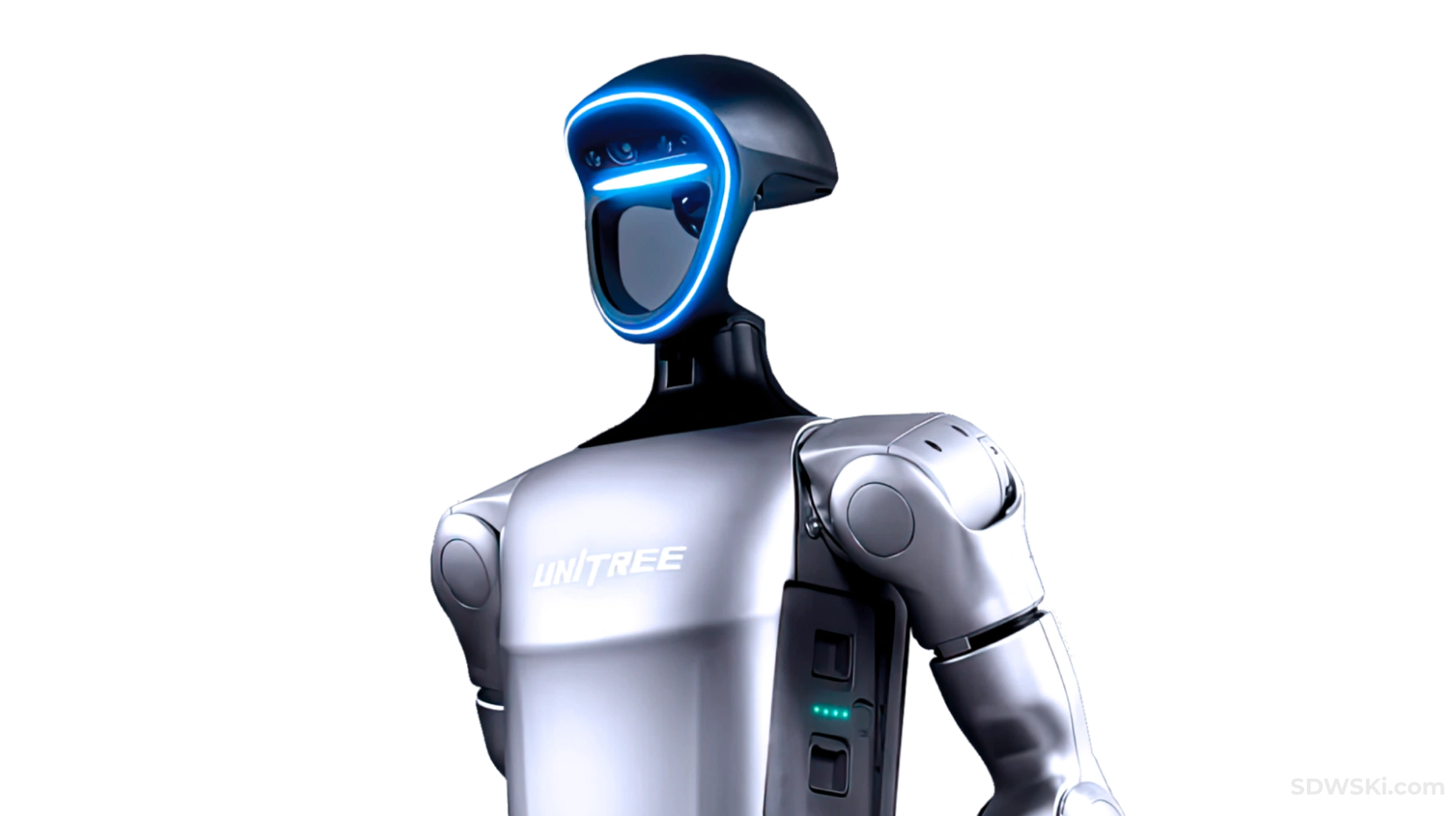
- Unitree (a manufacturer of humanoid robots): its shares have halved in value since August, even though retail demand exceeded supply by 8,000 times during its IPO.
- MetaX Integrated Circuits and Moore Threads Technology (разработчики графических и ИИ-чипов): потеряли около 50% стоимости с июля, хотя при выходе на биржу взлетали на 700% и 400% соответственно.
- CXMT (производитель микросхем памяти): за последний месяц потерял более 25% стоимости.
- Zhongji Innolight and Eoptolink Technology (поставщики оптических компонентов): обвалились примерно на 60% от летних максимумов из-за рисков запрета поставок для американских ЦОД со стороны Вашингтона.
- Zhipu AI and MiniMax (гонконгские разработчики ИИ-моделей): потеряли от 80% до 90% от своих пиковых значений.
Causes of the crash: speculative overheating and the threat of sanctions
According to Goldman Sachs, AI companies accounted for up to 42% рыночной капитализации and 57% торгового оборота on mainland Chinese and Hong Kong stock exchanges. In a market dominated by retail investors, the widespread enthusiasm for technology stocks led to the formation of a massive bubble.
There was no single one-off trigger for the sell-off, but analysts point to a combination of three key factors:
- Extremely inflated company valuations, which had outpaced actual financial performance.
- Seasonal tax payments and capital outflows into safe-haven assets.
- Geopolitical risks and the threat of new U.S. restrictions on the use of Chinese equipment in data centers.
Attempts by the China Securities Regulatory Commission (CSRC) to engineer a controlled “slow bull” market by restricting leverage and high-frequency trading failed—the market descended into a speculative frenzy, followed by a crash.
What lies ahead for the industry: price wars and an IPO freeze
Experts agree that the current crash will significantly reshape China’s technology sector:
“What is happening now will force many companies to abandon their plans to go public”, said Hong Hao, managing partner at Lotus Asset Management in Hong Kong.
Wang Zhuo, a partner at Shanghai Zhuozhu Investment Management, warns that fierce competition is inevitable:
“Like all other Chinese manufacturers, microchip developers and AI solution providers will sooner or later be drawn into a price war. There are no exceptions. All bubbles inevitably burst.”.
However, some analysts (including experts at Goldman Sachs and BNP Paribas) believe that a major correction will weed out unviable startups and create opportunities for long-term investment in the industry's most resilient companies.



Comments0
Leave a comment
Enter your email—we'll send you a one-time code. No password or registration required.
Your email is only used for the login code and notifications about replies (you can unsubscribe using the link in the email). It is not published or shared with third parties. After you log in, a cookie is stored for 30 days. You can download or delete your data in your account.
Enter the code
Code sent to . If the email doesn't arrive within a few minutes, check your Spam and Promotions folders.
Your name and comment will be displayed publicly. Your email address will not be published.
I want a comment system like this for my website